
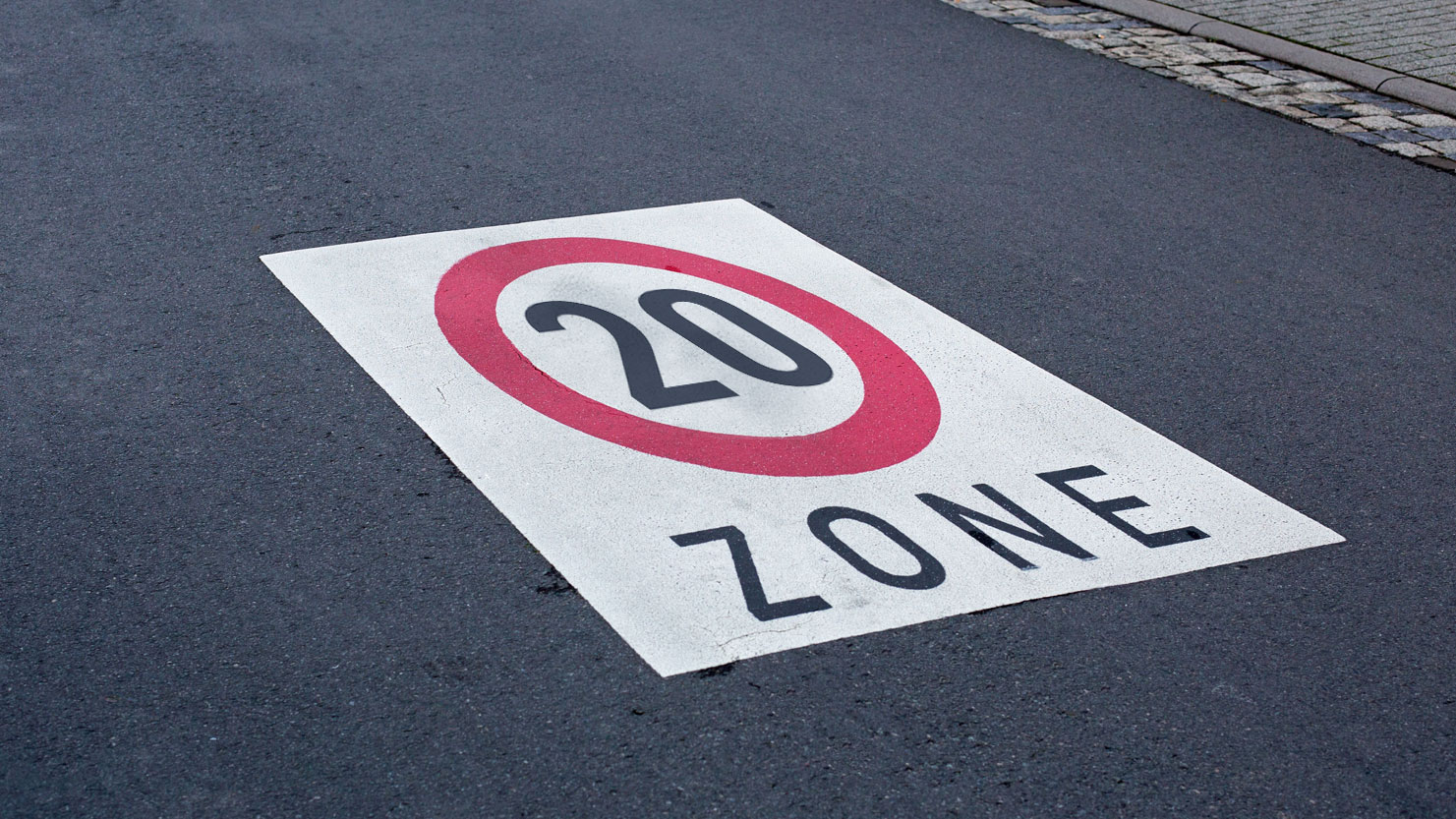
Traffic evaluation Fürstenfeldbruck 20 km/h zone
Following the introduction of a 20 km/h speed limit on Schöngeisinger Straße in Fürstenfeldbruck, the measure is being systematically evaluated – on the one hand using traditional methods such as video-based traffic surveys supplemented by manual/personnel-based observations of the length of time people spend in the area, and on the other hand using modern, AI-supported analysis tools. By combining these methods, changes in motorised vehicle traffic as well as bicycle and pedestrian traffic are examined and the effects on the recreational function of the street space are analysed.
Among other things, traffic volumes, crossings, the length of time pedestrians spend in the area and the use of street space by different road users are recorded. The data collected enables initial reliable statements to be made about the development of traffic flow and space utilisation. The city of Fürstenfeldbruck was supported by Mobility Data Space (MDS) in implementing the Use Case. As part of the project, two measurement campaigns were carried out, in which mouver GmbH used AI-supported technologies for the automated recording and analysis of traffic and movement flows. This data supplements the video-based traffic surveys and personnel-based observations on the length of stay carried out by the company Schuh & Co.
Data provider: mouver GmbH and Schuh & Co. GmbH
mouver helps cities, mobility agencies and traffic planners in understanding how people and vehicles move and extracting useful insights for their operations and projects. Schuh & Co provides technology services in systems and traffic engineering. Modern traffic counting devices and innovative analysis software deliver precise data and efficient evaluations.
Data recipient: Stadt Fürstenfeldbruck
The data recipient is the city of Fürstenfeldbruck, which uses the collected data to evaluate the speed limit in order to analyse traffic flows, quality of stay and changes in mobility behaviour.
Voices from the project


Shared data:
Information on traffic and movement flows
The data sets included precise information on traffic and movement flows, which was obtained through the combined use of video-based traffic surveys supplemented with manual/personnel-based observations and modern AI analysis tools. Among other things, the number, speed and direction of movement of pedestrians, cyclists and vehicles were recorded, as well as road crossings, dwell times and interaction patterns in public spaces.