
MegaBITS and the Cycle Data Space: A European Data Platform for Sustainable Mobility
The MegaBITS project is developing the Cycle Data Space, an innovative, open data platform tailored to the needs of European municipalities. Its goal is to strengthen cycling and micromobility through intelligent data networking.
By enabling secure and targeted data sharing, the platform creates new opportunities for municipalities, businesses, and citizens:
Dynamic route planning:
Real-time recommendations for cyclists based on traffic volume, weather, or construction sites
Demand-driven infrastructure:
Identification of bottlenecks (e.g., lack of parking spaces) and targeted planning of new bike lanes
Accident prevention:
Analysis of hazard zones and development of safety measures
Integration of sharing services:
Optimized distribution of rental bikes or e-scooters through data-based demand forecasting
The Cycle Data Space relies on the Mobility Data Space solution, which enables targeted data sharing without central storage. Instead, data flows peer-to-peer directly between participants—such as municipalities, mobility providers, or research institutions. This ensures data sovereignty, allowing municipalities to control who accesses which data.
The long-term goal:
MegaBITS aims to improve cycling infrastructure in cities, shift the modal split in favor of cycling, and enhance air quality and quality of life in urban areas through data-driven decisions. At the same time, the project lays the foundation for new business models–for example, for mobility providers or urban planners.
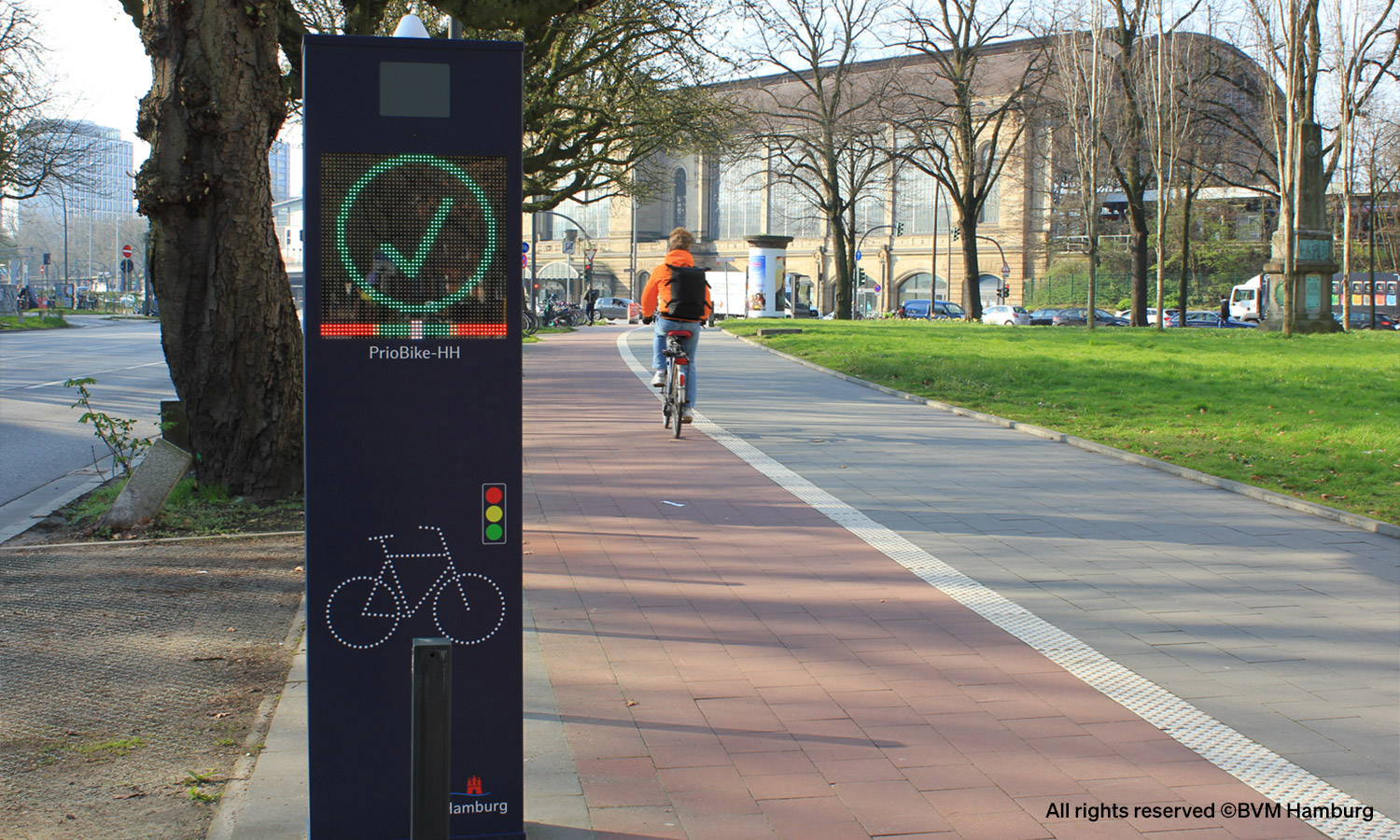
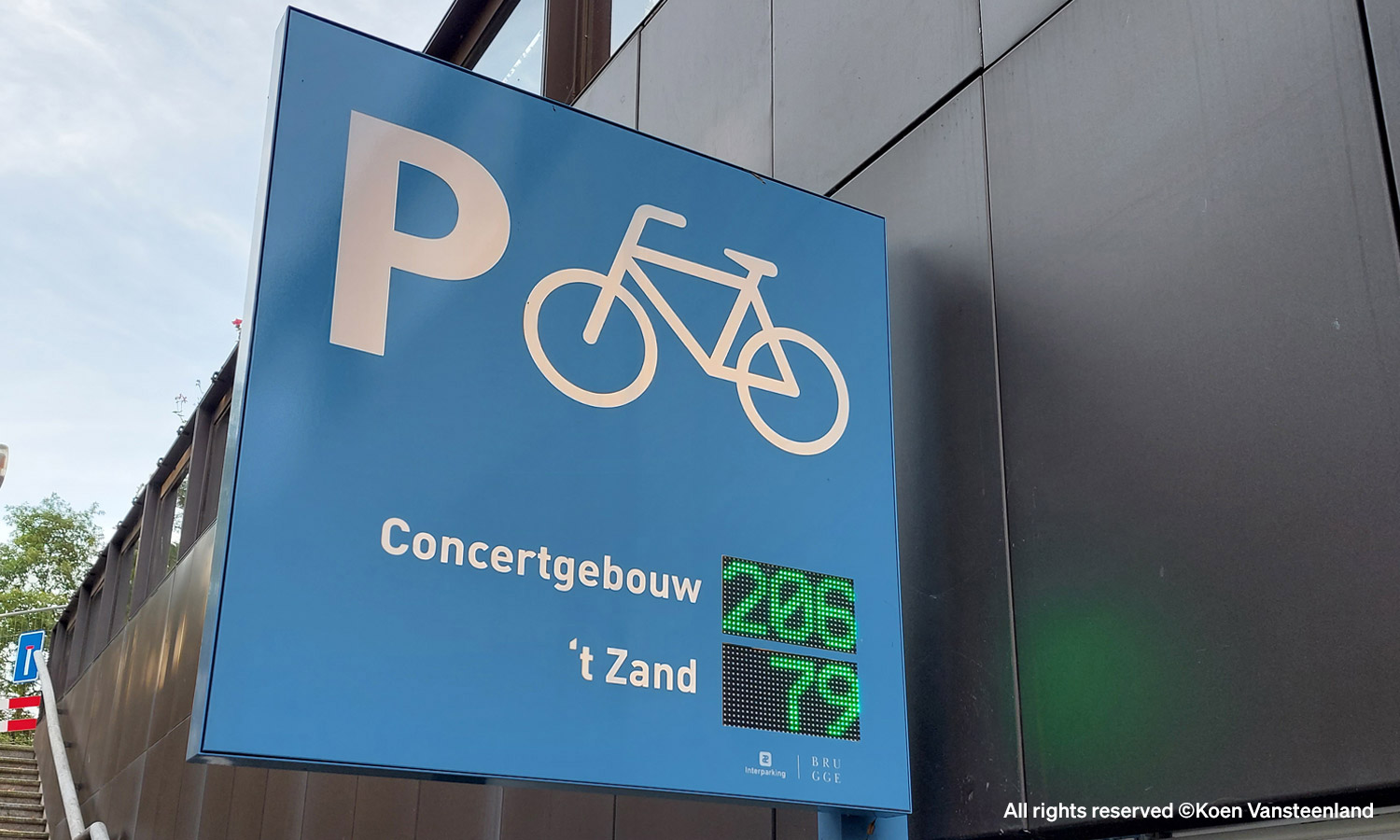
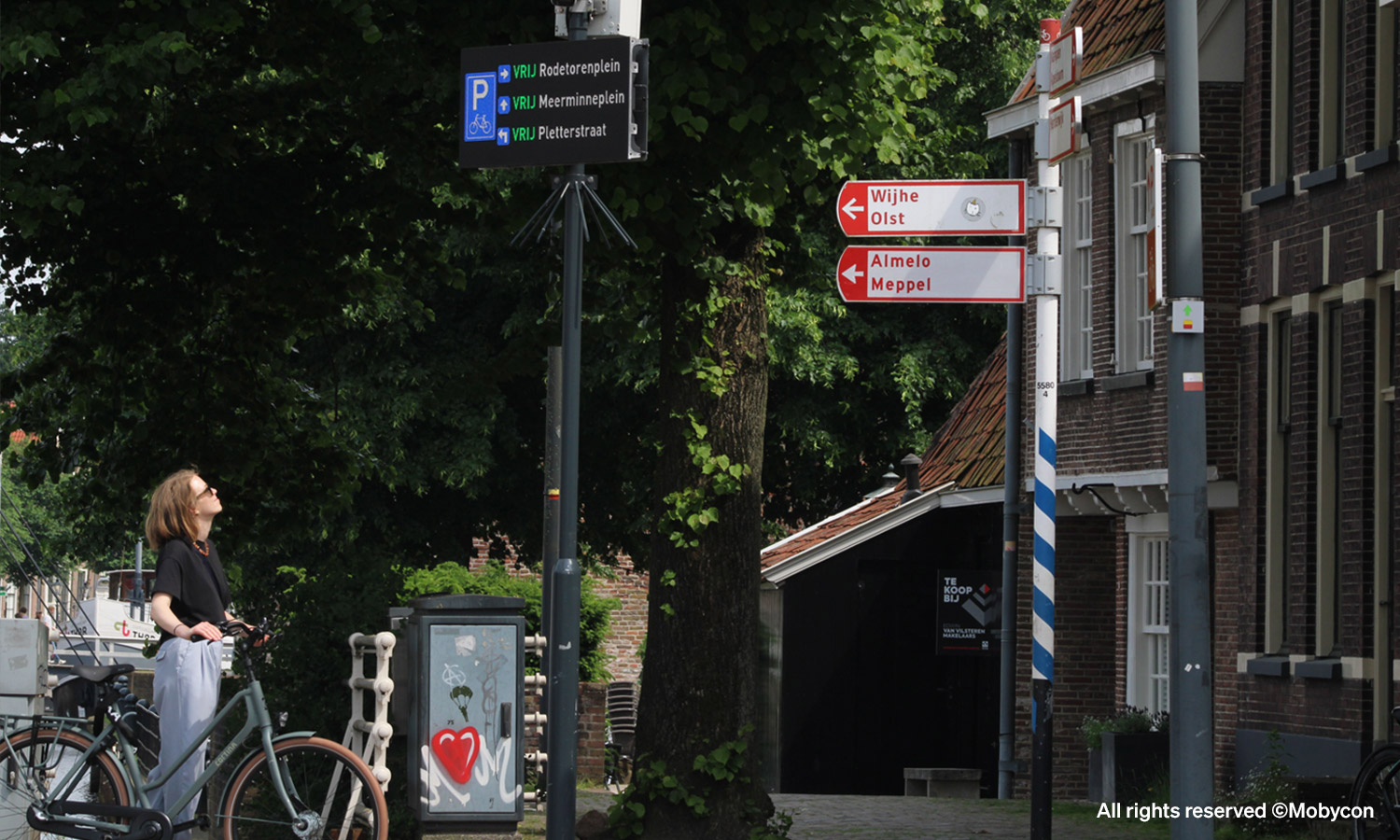
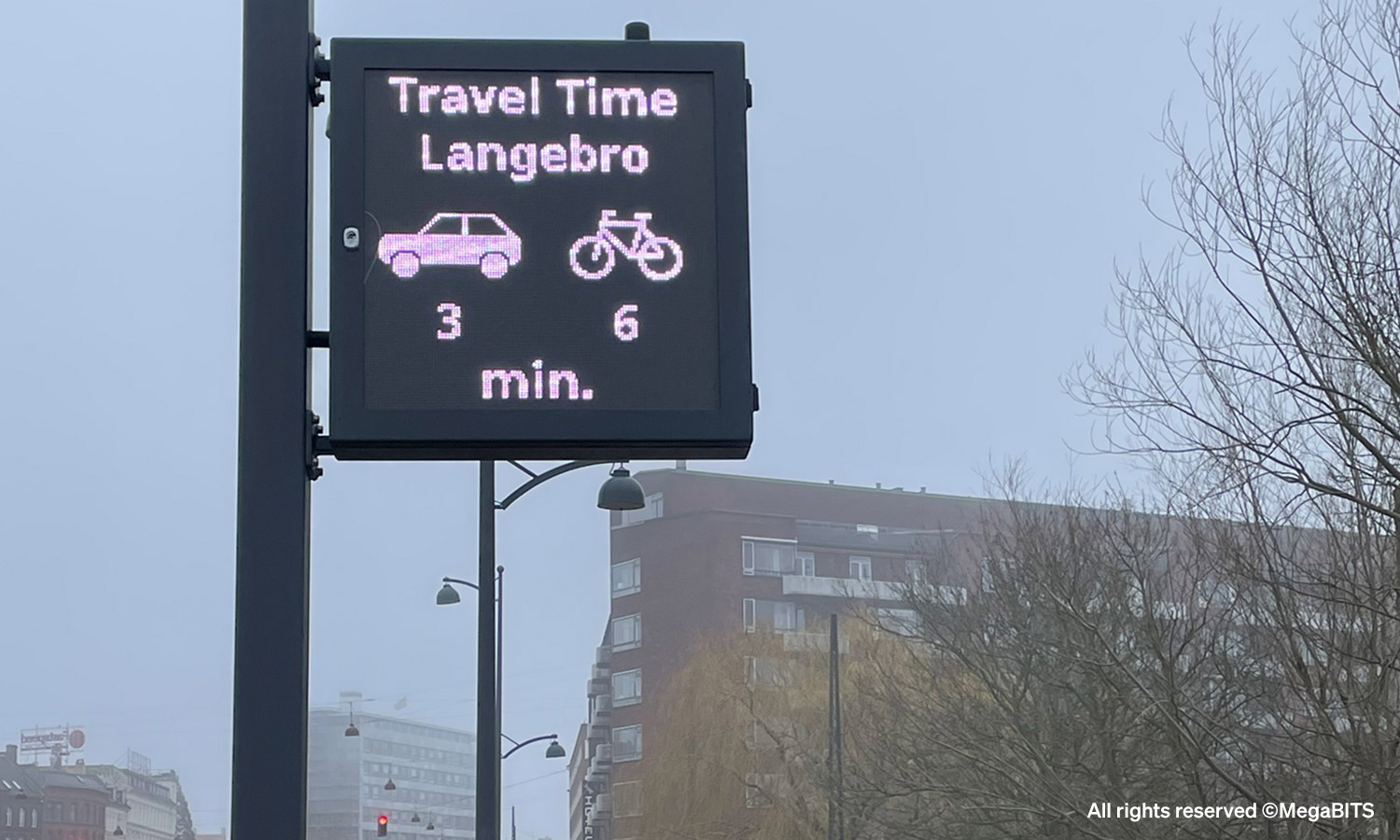


Data provider
Six European cities that aim to develop the bike traffic: Province of Antwerp, City of Enschede, City of Hamburg, City of Copenhagen, the Le Havre metropolitan area, City of Zwolle

Shared Data:
Traffic information
The Cycle Data Space integrates various data sources:
Mobility data:
Information on bike lanes, traffic volume, accident hotspots, sharing services (e.g., rental bikes or e-scooters), and real-time weather and air quality data
Infrastructure data:
Locations of parking facilities, charging zones for e-bikes, construction sites, or temporary closures
User data (anonymised):
Movement patterns, frequently used routes, or feedback on infrastructure issues